Info
Digital Access Academy is a technology education podcast that makes online platforms easier to understand. We share clear, practical guidance on employee portals, student systems, workplace tools, educational technology, account...
show more
Digital Access Academy is a technology education podcast that makes online platforms easier to understand. We share clear, practical guidance on employee portals, student systems, workplace tools, educational technology, account security, login troubleshooting, and digital best practices. Whether you're accessing a work portal, navigating a school platform, or looking for simple solutions to common online issues, each episode provides straightforward information to help you use digital services with confidence, safely and efficiently.
show less
Episodes & Posts
Episodes
Posts

16 SEP 2026 · Finding the best price for a video game can be difficult because the same game may be available at different prices across multiple digital stores. Comparing offers before making a purchase can help gamers save money and discover better deals.
One useful approach is to use a game price comparison platform that collects offers from different retailers in one place. Instead of checking every store individually, gamers can compare prices and find the most attractive deal for the game they want.
For example,https://playze.io/ is a platform that helps gamers discover and compare video game deals from different retailers. Users can search for popular games and check available offers across stores, making it easier to decide where to buy a game at the best available price.
Price comparison is particularly useful during major sales events, when discounts can vary significantly between retailers. It can also help gamers discover deals for PC, Xbox, PlayStation, and Nintendo games.
Before purchasing, it is always worth checking the current price, platform compatibility, edition of the game, and retailer. Comparing several offers can make finding a good deal much easier.
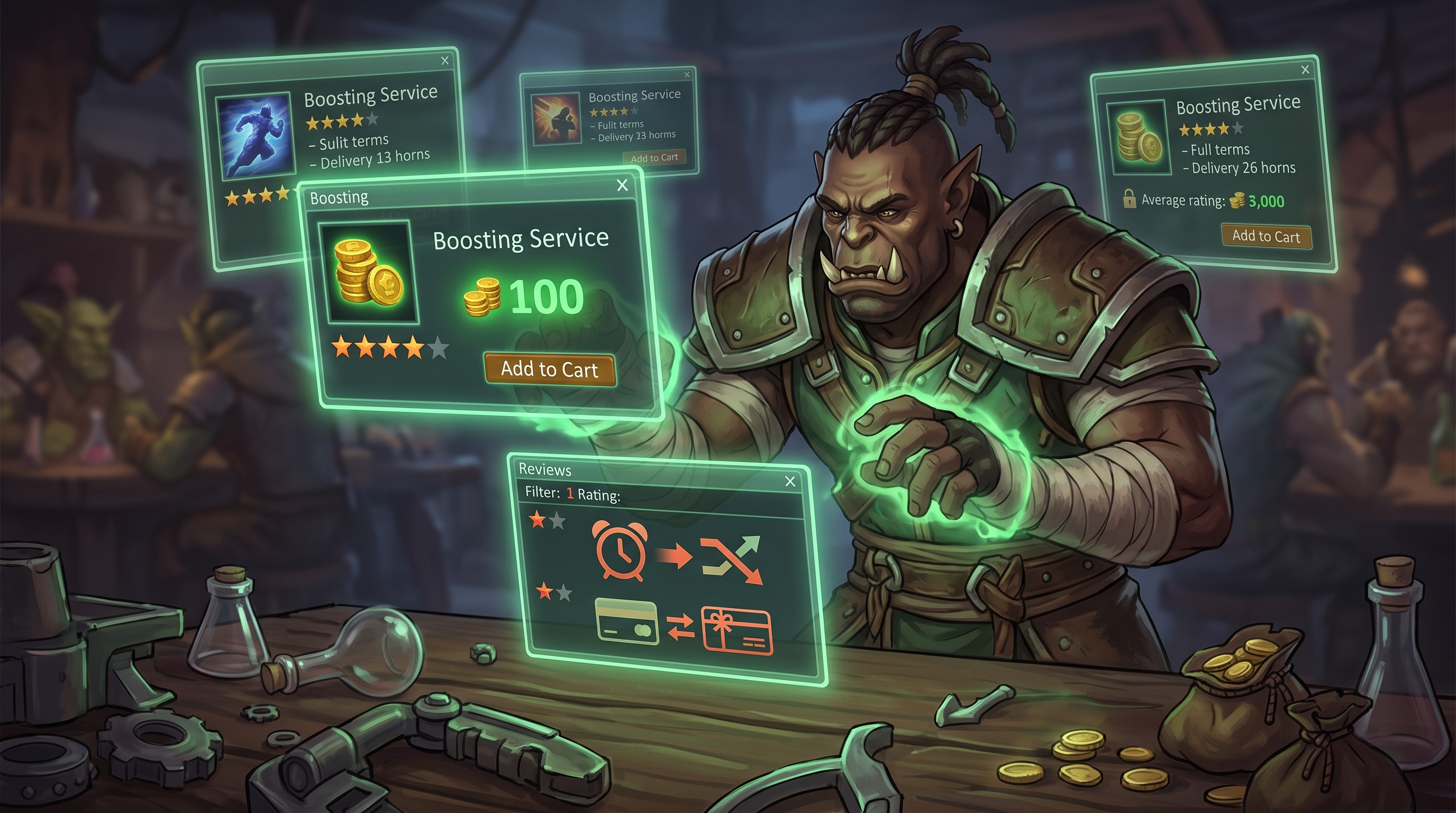
2 SEP 2026 · I'm Zizx, Orc Windwalker Monk on Tichondrius, and I was shopping around for a Mythic+ boost last week, comparing three or four sites the way most people probably do — open five tabs, compare prices, pick whichever one feels least sketchy. My guild's already deep into the current keys, and running a boost felt like the fastest way to catch my own alt up to their level instead of dragging the group down on push night. One site kept winning on price by a wide margin. The checkout was simple, the discount code auto-applied, and for a second I almost just clicked through because the number at the bottom was hard to argue with.
Reading the 1-Star Reviews Before Paying
Before paying, I did what I probably should do before every boosting order and almost never actually do: I ignored the average score for ten minutes and read the newest 1-star reviews instead. Not the highlighted "featured" ones — the recent ones, sorted by date, the kind that show up after someone's had a bad week with the site rather than a good one. If this was going to save my alt from lagging behind the guild's keys, I at least wanted to know the delivery would actually happen on schedule.
That site had a Trustpilot score in the high 4s and tens of thousands of reviews, which on its own tells you almost nothing. That does not mean the site is bad; it means the average score is the start of research, not the end of it. A score that big is mostly noise unless you know what's sitting underneath it.
The Pattern Was More Useful Than the Score
Here's what I mean by that. A high aggregate score with a large review count is easy to overread — it just means a lot of orders went fine, which is true of almost any boosting site that's been around a while. What actually matters is whether the negative reviews cluster around the same specific complaint, or whether they're scattered and unrelated.
After a short run through recent 1-star and 2-star reviews, a pattern showed up fast: a promised delivery window that quietly turned into hours instead of minutes, a support rep offering store credit instead of a refund when something went wrong, and the same "give us 30 more minutes" language showing up across reviews written months apart. One angry review means nothing — people have bad days, mixups happen. The same complaint written by five different strangers in five different months means something.
Finding a Second Source on the Same Complaints
After seeing the delay-and-store-credit pattern repeat a few too many times, I looked past Trustpilot itself to see if anyone else had written this up. I found ahttps://leprestore.com/kingboost-is-a-scam/ — I didn't take it as neutral, since it is hosted by a competing boosting service, but the specific complaints it pointed to lined up with exactly what I'd already been seeing in the raw reviews myself. That's a useful gut-check either way: if a competitor's complaint list and your own read of the actual reviews land on the same three or four issues, you're probably not imagining the pattern.
Choosing Delivery Clarity Over the Lowest Price
I didn't end up picking the cheapest option, and I didn't pick it because of one horror story either — plenty of sites have an angry review or two. What I actually needed was my alt geared and ready before my guild's next keys, not a coupon code. So I stopped shopping for the lowest sticker price and started shopping for the least ambiguous delivery process: clear timing, a refund policy that says "refund" instead of "credit," and support replies that answered the actual question instead of asking for more time.
Ten minutes of reading the worst reviews on a site tells you more than the average score ever will. Worth doing before you pay, not after.

28 AUG 2026 · Joining an affiliate network feels like launching an affiliate program. It is not. A network gives you infrastructure — tracking, attribution, payouts, a marketplace where publishers can discover you — and infrastructure is genuinely hard to build yourself. What a network does not give you is a recruiting strategy, and that is the part that determines whether the program produces revenue or a dashboard full of zeroes. Teams that figure this out usually end up doing direct outreach anyway, which is the job anhttps://lessie.ai/affiliate-partner-finder exists to make survivable for a small team.
The gap shows up about two months in. The program is live, a handful of partners have signed up on their own, and the revenue is concentrated in one or two accounts you did not choose. Everyone else in your category is promoting somebody else.
What a network actually does for you, and what it does not
Networks solve the mechanical half of the problem. Links get tracked, conversions get attributed, commissions get paid on schedule, and disputes have a process. If you have ever tried to reconcile affiliate payouts on a spreadsheet, you know why this is worth paying for.
The recruiting half is different. A network's marketplace is a directory sorted by whatever the platform decides to sort by, populated by publishers who are already in the network, browsing categories. The best partners in most niches are not doing that. They are running a newsletter, a YouTube channel, or a comparison site, monetizing through a handful of direct relationships, and they have no particular reason to be scrolling a merchant directory this week.
So the merchants who win inside a network are usually the ones who recruit outside it and bring partners in. The network becomes the settlement layer, not the discovery layer.
Six partner types most programs never recruit directly
Programs default to whichever partner type happens to find them first, and then generalize from that accident. It is worth naming the categories explicitly, because they behave differently on every dimension that matters.
- Coupon and deal sites. Bottom-funnel, transactional, high volume. They convert intent that already exists rather than creating it — which is either efficient or cannibalistic depending on your margins and how you attribute.
- Review and comparison publishers. Independent review sites, software-comparison hubs, category listicles. High-intent traffic, long content half-life, and generally the hardest to place because editorial standards are real.
- Creator affiliates. YouTube, TikTok, and Instagram creators running trackable links and codes. Demand generation rather than demand capture, with performance that varies enormously by creator and format.
- Newsletter and SEO operators. Writers and niche-site owners monetizing an audience they own. Often the highest-trust placements available and frequently the most negotiable, because you are talking to the operator directly.
- Cashback and loyalty networks. Browser extensions, loyalty programs, card-linked portals. Enormous member bases, very last-click, and a rev-share conversation more than a content conversation.
- Sub-affiliate networks and OPMs. Aggregators that bring hundreds of smaller publishers under one payout relationship. One contract, wide reach, and less visibility into who is actually promoting you.
Most programs are only recruiting two of these six, usually by accident.
Matching partner type to payout model
This is where recruiting decisions get made, and where a lot of programs go wrong by offering one flat rate to everybody.
A percentage-of-sale model with a short cookie window suits deal and cashback partners, because they operate close to the transaction and their economics assume volume. Apply the same short window to a review publisher whose article converts readers over weeks, and you have quietly told the best partners in your category not to bother.
Creator partnerships often need a hybrid: a flat fee that covers production plus a rev-share that rewards performance. Pure rev-share works only when the creator already trusts your conversion rate, which usually means they have promoted something adjacent and seen the numbers.
Newsletter and niche-site operators sit in between and tend to be the most flexible, which is exactly why they reward direct conversation. They will tell you what has worked for them before if you ask a specific question instead of sending a template.
The practical implication: decide your partner mix first, then design payout tiers per type. Recruiting outreach that quotes a single number to all six categories reads as a mass mailing, because it is one.
A recruiting cadence that works without a partnerships hire
The constraint most programs actually face is headcount. Nobody is going to run a full partnerships function for a program that has not proven itself yet, so the cadence has to be small and repeatable.
Start with a defined week: one partner type, twenty to forty candidates, one outreach angle. Working a single category at a time means your pitch gets sharper as you go, and it makes the results interpretable — if a week produces nothing, you have learned something about that category rather than about your entire program.
Ground every message in something specific the partner has published. A pitch that references a comparison article they wrote last month, and explains why your product would slot into it, gets read. A pitch that opens with your commission rate does not. This is the part that historically made direct recruiting impractical at any scale, and it is the part that has genuinely changed: describing the partner profile you want and getting back a shortlist of operators with verified direct contacts turns a week of manual sourcing into an afternoon of review.
Then measure by cohort, not in aggregate. Which partner types produced revenue, at what payout, over what lag — that table is the only thing that tells you where next quarter's recruiting week should go.
None of this replaces the network. It just puts the network back in its correct role: the plumbing under a program you are actively building, rather than a marketplace you are waiting to be discovered in. If you want a sense of the underlying data problem — finding the specific operator behind a niche site or newsletter and reaching them directly — that is the same search problemhttps://lessie.ai/ is built around.

25 AUG 2026 · Electric dirt bikes are revolutionizing the ways that people ride on trails, back roads, or off-road adventures. They offer a modern alternative that is quieter, quieter and more efficient in terms of routine maintenance than traditional gas-powered bikes, and can be operated with instant electric power, making them accessible to both seasoned cyclists and those seeking an eco-friendly upgrade.
When picking an electric dirt bike for adults, the most significant are motor power, battery capacity, range, suspension, braking, rider size and terrain. A bike that is great on flat trails might not be as good on steep or rough trails.
Why Electric Dirt Bike?
Perhaps one of the most significant advantages of an electric dirt bike is its instant torque. Smooth acceleration without the need to change gears in many gears, especially on trails, enjoy electric power. Electric motors are also much quieter than combustion engines, making outdoor riding more comfortable.
The other benefit is maintenance. Unlike petrol motorcycles, electric motorcycles and dirt bikes do not need oil changes, spark plugs or many of the mechanical parts that come with petrol-powered motorcycles. However, the brake, tyre, suspension, chain/drivetrain and battery system must also be kept in order.
How to pick an Electric Dirt Bike for grownups.
There are a number of different models to choose from and this choice should depend on how an adult intends to use the bike and their physical needs rather than on the power of the bike. Handling and comfort are determined by seat height, max rider load, suspension travel, tyre design and braking systems.
If you're looking for a more high-performance machine, HappyRun has a few models for adults that are off-road. The HappyRun G300 Pro, for instance, has a peak motor power of 6,500W, a 72V 30Ah lithium battery, hydraulic brakes and a claimed top speed of 50 mph in off-road conditions. The manufacturer also states that it has a "riding range of over 70 miles under suitable conditions.
You can explore the full selection of https://www.happyrunsports.com/collections/electric-dirt-bike to compare different models, power levels, and riding configurations.
Battery Range Matters
One of the most crucial features to consider when purchasing an electric dirt bike is its battery life. The longer the battery lasts on a ride, the larger it is, but the range is actually dependent on the rider's weight, speed, terrain, temperature, riding manner, and the frequency of pushing the motor to its highest output.
The charging time also needs to be taken into account. A removable battery is the option some riders like to have, as it enables the battery to be charged off the bike. The HappyRun G300 Pro, for instance, features a removable 72V 30Ah battery and offers a full charging time of approximately 5 hours.
What about an Affordable Electric Motorcycle?
Not all riders are looking for a special dirt bike. An electric motorcycle might be a better choice for those who wish to enjoy the sport of motorcycle riding with the added convenience of an electric power assist for commuting or using the bike for multiple purposes.
When searching for an https://www.happyrunsports.com/collections/electric-motorcycle, look beyond the purchase price. Compare battery size, motor output, braking equipment, warranty coverage, claimed range, and whether the model is suitable for your local roads.
HappyRun has several more powerful electric motorcycles and features like warranties, shipping details and safety certification information are found on its collection page.
Ride Responsibly
The strong electric dirt bikes can attain the speed of a motorbike, so safety gear is essential. Wear proper helmet, gloves, eye protection, protective clothing, and proper shoes. Riders should also ride on specific dirt bike and motorcycle tracks and review local regulations prior to operating an electric dirt bike or motorcycle on public roads.
Final Thoughts
Electric dirt bikes are a thrilling fusion of immediate power, decreased noise and contemporary technology. Before purchasing, adults should consider motor performance, battery capacity, suspension, brakes, fit and intended use. There are also several models available from brands like HappyRun catering to various tastes, whether it's small ones or high-performance dirt bikes for adults.
It is not always the fastest bike that's the best choice. It's the one that fits your riding style with the right performance, comfort, range, safety and value.

24 AUG 2026 · Human resources has changed dramatically with the growth of workplace technology. Tasks that once depended on paper forms, spreadsheets, phone calls, and manual recordkeeping can now be managed through digital HR systems.
Among the most useful applications of HR technology are payroll management, employee scheduling, and benefits administration. These areas involve information that employees need regularly, and even small mistakes can create confusion, delays, or frustration.
Modern HR technology helps organizations organize these processes while giving employees easier access to important workplace information. When implemented properly, digital HR tools can save time, improve accuracy, and create a smoother employee experience.
Why HR Technology Matters
Human resources teams handle a wide range of responsibilities. In addition to recruitment and employee relations, they may manage attendance records, payroll information, benefits, schedules, documentation, training, and compliance requirements.
Managing all of these responsibilities manually can become difficult as a company grows.
Digital HR systems provide a centralized environment where information can be stored, updated, and accessed more efficiently. Instead of relying on multiple disconnected processes, businesses can use technology to bring important employee services together.
The goal is not to replace HR professionals. Rather, technology allows HR teams to spend less time on repetitive administrative work and more time helping employees and supporting business goals.
Simplifying Payroll Management
Payroll is one of the most important responsibilities for any organization. Employees expect their pay to be accurate and delivered on time, while businesses need reliable records for accounting and compliance purposes.
Traditional payroll processes can involve significant manual effort. HR or payroll teams may need to collect information from multiple sources, review employee records, calculate working hours, and maintain documentation.
Modern payroll technology can automate many of these steps.
Digital systems can help organizations manage employee information, track working hours, process payroll data, and maintain electronic records. Automation can reduce repetitive tasks and minimize the risk of simple data-entry mistakes.
Employees also benefit when they have convenient access to their payroll information. Depending on the system, workers may be able to review pay details, access statements, or find important payroll documents through an online employee portal.
For example, employees looking for centralized workplace information may use resources such as https://txrhlive.me/ to learn more about employee-related services and access points.
Improving Employee Scheduling
Scheduling can be complicated, particularly in industries where employees work different shifts.
Restaurants, retail businesses, healthcare organizations, hospitality companies, and other service-based workplaces often need to coordinate large teams with varying schedules.
Paper schedules and informal communication can make this process harder than necessary. Employees may miss updates, forget shift details, or have difficulty communicating schedule-related requests.
Digital scheduling tools provide a more organized approach.
Employees can view their schedules from a mobile device or computer, while managers can make updates and communicate changes more efficiently. Some platforms may also support availability management, shift requests, and schedule notifications.
Better scheduling provides advantages for both sides.
Managers gain improved visibility into staffing requirements, while employees gain clearer information about when and where they are expected to work. This can reduce confusion and make it easier for employees to plan their personal commitments.
Making Employee Benefits Easier to Manage
Employee benefits can include health coverage, retirement plans, paid time off, discounts, wellness programs, and other workplace advantages.
Benefits administration can become complicated because employees have different eligibility requirements, enrollment periods, and personal circumstances.
HR technology can simplify this process by providing employees with a centralized place to review benefit information.
Instead of relying completely on printed documents or repeated questions to HR staff, employees can access digital resources that explain available programs and important deadlines.
Some systems may also allow workers to complete enrollment steps or update information online. This can make benefits administration more convenient while reducing unnecessary paperwork.
Clear digital access is particularly useful during enrollment periods, when HR departments often receive a high volume of employee questions.
Reducing Administrative Work for HR Teams
One of the biggest advantages of HR technology is the ability to automate repetitive administrative tasks.
HR professionals often spend significant amounts of time answering routine questions, updating employee records, locating documents, and processing requests.
Self-service technology can shift some of these responsibilities directly to employees.
For example, employees may be able to access company policies, review personal information, submit certain requests, or find payroll resources without contacting HR for every small task.
This does not mean employees should lose access to human support. Instead, it allows HR professionals to focus their attention on more complex issues that require judgment, communication, and experience.
Improving Accuracy and Consistency
Manual processes are vulnerable to human error.
A spreadsheet may contain an outdated figure, an employee record might not be updated correctly, or a schedule change could fail to reach everyone who needs it.
Centralized HR systems can reduce some of these risks by keeping information organized in one environment.
When data is updated consistently, different departments can work from more reliable information. This can improve payroll processing, scheduling, benefits administration, and employee recordkeeping.
Automation can also create standard workflows, helping organizations handle recurring tasks more consistently.
Giving Employees Greater Self-Service Access
Today’s employees often expect workplace information to be available quickly and conveniently.
They are accustomed to managing banking, shopping, travel, and other services online, so they may have similar expectations for workplace technology.
Employee self-service portals can help meet these expectations.
Instead of waiting for office hours or sending an email to request basic information, employees may be able to find what they need through a secure digital platform.
This can improve convenience while reducing the workload placed on HR departments.
A resource such as TXRHLive illustrates the broader concept of providing employees with a central online destination for workplace-related information.
Supporting Mobile Employees
Modern workforces are increasingly mobile.
Employees may work different shifts, move between locations, or spend much of their working day away from a traditional office computer.
Mobile-friendly HR systems allow employees to access important information from devices they already use.
This can be particularly valuable for checking schedules, reviewing announcements, accessing documents, or staying informed about workplace updates.
Mobile access does not have to mean constant connectivity. Businesses should still respect employees’ personal time and establish clear communication expectations.
Protecting Sensitive Employee Information
HR technology offers convenience, but security must remain a priority.
Payroll details, employee records, benefit information, and other HR data can be sensitive. Businesses should use appropriate security measures such as strong authentication, access controls, encryption, regular updates, and secure data-handling practices.
Employees should also protect their own accounts by using strong passwords and avoiding suspicious links or messages.
A technology strategy is only effective when convenience and security are considered together.
Conclusion
HR technology has transformed the way organizations manage payroll, employee scheduling, and workplace benefits.
Digital systems can reduce repetitive administrative work, improve accuracy, make information easier to access, and provide employees with greater control over routine workplace tasks. For HR teams, these tools can create more efficient workflows and free up time for responsibilities that require human interaction and decision-making.
The real value of HR technology comes from using it thoughtfully. Businesses that combine reliable digital systems with strong communication, appropriate security, and employee support can create a workplace that is more organized and convenient for everyone.
As technology continues to develop, the role of digital HR tools will likely become even more important in creating efficient, accessible, and employee-focused workplaces.

20 AUG 2026 · Podcasting has become more than a creative outlet. For many brands, creators, agencies, and media teams, it is now a full digital operation that depends on cloud platforms, shared files, remote contributors, production tools, analytics dashboards, sponsor details, and publishing accounts. That makes cybersecurity a practical concern, not just an IT issue.
A single compromised account or infected device can disrupt episode production, expose private communications, delay launches, or damage audience trust. For teams that publish regularly, speed matters. The faster a threat is spotted, understood, and contained, the less room it has to affect the creative workflow.
The Creative Workflow Is Now a Cyber Target
Digital media teams often work across several systems at once. Hosts record remotely, editors transfer large audio files, marketers manage publishing calendars, and guests share links, bios, and documents. These workflows are efficient, but they also create more entry points for cyber threats.
Attackers do not always need to target the main publishing platform directly. They may start with a phishing email, stolen login details, an unsecured endpoint, or a malicious attachment hidden inside routine communication. Once inside, they can move across accounts, files, and systems before anyone notices.
This is why cybersecurity should be part of the content production process. Protecting a podcast means protecting the people, devices, credentials, and tools behind every episode.
Why Early Threat Detection Matters
Traditional security tools can help block known threats, but modern attacks are often harder to spot. Some threats rely on unusual behavior, credential misuse, suspicious processes, or small signs that something is wrong. By the time a visible problem appears, the attacker may have already gained access to valuable files or accounts.
This is where stronger endpoint visibility becomes important. Teams that rely on laptops, remote workstations, and shared cloud tools need a way to detect suspicious activity before it becomes a major incident. Using reliablehttps://heimdalsecurity.com/enterprise-security/endpoint-detection-and-response-edr-software can help organizations improve detection and response across endpoints and related systems.
For podcasters and media businesses, that means more than protecting devices. It means keeping production schedules stable, sponsor relationships secure, and audience trust intact.
When Internal Teams Need Extra Security Support
Not every media company has a dedicated security operations team. Many operate with lean IT resources, freelancers, agencies, or distributed staff. Even when teams understand the risks, they may not have the time or expertise to monitor alerts, investigate threats, and coordinate response at all hours.
That is why managed detection and response has become relevant for modern digital businesses. Withhttps://heimdalsecurity.com/enterprise-security/products/managed-extended-detection-and-response-mxdr-solution, organizations can add expert monitoring, investigation, and response support without building every capability in-house.
For fast-moving content teams, this extra layer can reduce the burden on internal staff and help ensure that genuine threats are identified and handled quickly.
Building Safer Digital Media Operations
Cybersecurity does not need to slow creativity. In fact, the right approach helps creators work with more confidence. Strong access controls, endpoint protection, regular software updates, secure file sharing, and faster threat detection all support a smoother production environment.
Podcasting depends on consistency. Episodes need to be recorded, edited, approved, and published on schedule. When cybersecurity becomes part of that workflow, teams are better prepared to protect their content, their collaborators, and their reputation.
For digital media teams, faster threat detection is not just a technical upgrade. It is a safeguard for the entire creative process.
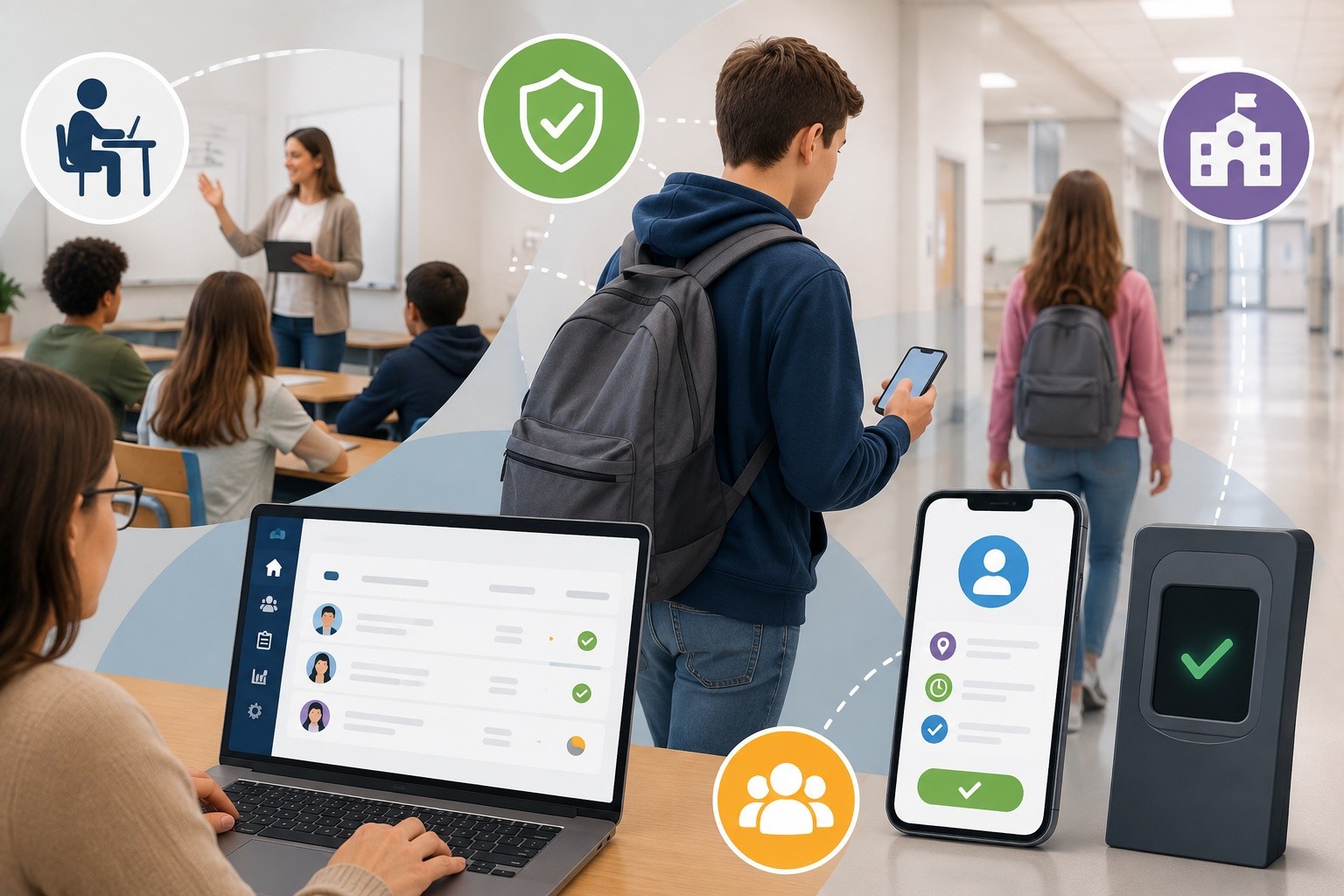
11 AUG 2026 · Managing student movement during the school day can be challenging when hall passes rely on paper slips, verbal requests or informal classroom procedures. Teachers may need to know which students have left class, where they are going and when they are expected to return. Traditional methods can also create interruptions and make it difficult to maintain consistent records. https://ehallpasses.net/ offers a digital approach to organising student hall-pass requests. By moving the process online, schools can create a more structured way for students to request passes while giving teachers and staff greater visibility over routine student movement.
What Is eHallPass?
eHallPass is a digital hall-pass system designed to help schools manage requests for students to leave their classrooms. Instead of relying entirely on physical passes, students can use the digital system to request permission to visit an approved destination, while teachers can review and manage those requests.
The basic process connects students and teachers through a structured pass system. A student requests a pass, the appropriate teacher reviews it, and an approved request can provide a digital record of the student's authorised movement.
The exact features, restrictions and procedures can vary between schools. Each school can establish its own policies around destinations, timing, permissions and student movement. This means eHallPass can support existing school procedures rather than requiring every school to follow exactly the same process.
How eHallPass Manages Student Pass Requests
One of the main advantages of a digital hall-pass system is creating a consistent process for requesting permission. Instead of interrupting a lesson to ask about a paper pass, a student can submit a request through the system according to the school's established procedure.
Teachers can then review requests and decide whether a student can leave the classroom. This gives teachers greater control over when students leave and helps them manage requests alongside their normal classroom responsibilities.
Once a pass is approved, the digital record can provide a clearer indication that the student has permission to be away from the classroom. Depending on how the school uses the system, information about the request can help teachers and authorised staff understand who is currently using a pass.
Schools can also establish rules around destinations and permitted movement. These rules help create consistent expectations for students while allowing staff to retain responsibility for approving individual requests.
Importantly, eHallPass supports school policies and supervision; it does not replace teacher judgement or staff oversight.
Keeping Track of Student Movement
Schools need reasonable visibility when students leave classrooms during lessons. Knowing which students are authorised to be away from class can help teachers and staff maintain better awareness of routine movement around the school.
A digital hall-pass system can make this process more organised by replacing scattered paper slips with information that can be managed through an online system. Teachers do not have to rely solely on remembering who left the room or checking several physical passes.
Digital records can also make it easier to understand the status of authorised passes when the school's implementation provides those records to appropriate staff. This can be useful when several students need to leave class at different times.
However, a hall-pass system should not be confused with constant location tracking. The purpose is to organise authorised student movement and pass requests, while teachers and school staff remain responsible for supervision and student safety.
Reducing Classroom Disruptions
Traditional hall-pass procedures can sometimes interrupt lessons. A student may need to stop the teacher to ask for permission, find a physical pass or wait while the teacher checks whether leaving the classroom is appropriate.
A structured digital process can make these requests more predictable. Students have a defined procedure to follow, while teachers have a consistent way to review requests. This can reduce unnecessary back-and-forth and help keep routine administrative tasks from taking too much attention away from teaching.
Consistent procedures can also make expectations clearer for students. When everyone follows the same basic process, students are less likely to be uncertain about how to request permission or what information they need to provide.
Setting Rules for Hall Passes
Every school has its own approach to student movement, so flexibility is important when implementing a digital hall-pass system. Schools can establish policies covering destinations, permitted times and other requirements that apply to students.
For example, a school may have different procedures for visiting the restroom, office, library, nurse or another approved area. Rules can also help staff manage busy periods when many students might otherwise request passes at the same time.
Clear policies give students a better understanding of what is expected when leaving the classroom. Teachers and administrators can then apply those expectations through the appropriate system settings and school procedures.
The goal is not simply to digitise a paper pass. A well-organised process can help schools apply their existing student-movement policies more consistently.
Benefits for Students, Teachers and School Staff
For Students
eHallPass can provide students with a clearer process for requesting permission to leave class. Instead of relying on informal procedures, students can follow the school's defined digital process and better understand the expectations surrounding hall passes.
For Teachers
Teachers can benefit from having a structured way to review and manage pass requests. A digital process can make it easier to maintain awareness of which students have permission to leave while reducing unnecessary interruptions during lessons.
For Administrators
For school administrators, digital pass management can provide a more organised approach across classrooms and school areas. Consistent procedures can make student movement easier to manage, while digital records may provide useful information when supported by the school's implementation and access policies.
Using eHallPass as Part of a Wider School Safety Process
A digital hall-pass system should be considered one part of a school's wider approach to student supervision and safety. Technology can help organise requests and provide useful information, but it does not replace teachers, administrators or established school policies.
Schools should combine digital pass management with clear expectations, appropriate staff supervision and procedures for handling unusual situations. Teachers and authorised staff remain responsible for making decisions about student movement and responding when a student does not follow the expected process.
Used in this way, eHallPass can support school operations without being treated as a complete student-safety solution.
Conclusion
eHallPass can modernise the traditional hall-pass process by giving schools a structured digital way to manage student requests and authorised movement. Students can follow clearer procedures, teachers can manage requests more consistently, and administrators can benefit from a more organised approach to pass management.
The effectiveness of eHallPass ultimately depends on how each school configures the system and integrates it with its existing policies. When combined with appropriate supervision and clear expectations, digital hall-pass management can make everyday student movement easier to organise.

11 AUG 2026 · Employees often need quick access to different types of work and HR information throughout their working life. From checking shifts and pay details to reviewing personal information, holiday records and employee resources, having everything organised digitally can make routine tasks much easier. https://mysainsbury.com/ provides information and guidance around the employee portal used by Sainsbury’s colleagues. Understanding what the portal is designed to help with can make it easier for employees to find relevant services and stay up to date with important workplace information.
What Is MySainsburys?
MySainsburys is an employee-focused online resource associated with Sainsbury’s colleagues and their workplace services. It brings together information and access points that can help employees manage various aspects of their working life.
Depending on their role, employment status and access permissions, colleagues may be able to find information relating to work schedules, payroll, personal details, employee benefits, training and other workplace resources. The services available to one employee may not necessarily be identical to those available to another.
The main advantage of an employee portal is convenience. Instead of relying entirely on printed documents or contacting a manager for routine information, colleagues can use the appropriate online system to find relevant details when they need them.
Managing Everyday Work Information
Keeping track of everyday work information is an important part of working in a large organisation. Colleagues may need to check upcoming shifts, review rota information or stay aware of changes affecting their working arrangements.
Digital access to work information can make this process more convenient. Rather than depending on a noticeboard or waiting for someone to provide an update, employees can check the relevant system themselves. This can be particularly useful when schedules change or additional workplace information needs to be communicated.
Workplace announcements and colleague updates can also help employees stay informed about developments within the organisation. Regularly checking available information can reduce the chance of missing an important change.
However, employees should always use the specific Sainsbury’s system intended for a particular task. Some workforce-management functions may be handled through separate platforms, so MySainsburys should not automatically be treated as the location for every employee service.
Accessing Pay and HR Information
Pay and HR information is another important area for employees. Colleagues may need to review payslips, check employment details or confirm information relating to their role. Having digital access to these records can make routine payroll administration more convenient.
Payslip information is particularly useful because employees can review details about their earnings and deductions without relying on paper copies. If something appears incorrect or unclear, having access to the relevant information can also make it easier to identify what needs to be queried with the appropriate payroll or HR team.
Personal and employment information is equally important. Employees should make sure relevant details are kept accurate when the appropriate system allows them to be updated. Accurate information can help support payroll, HR administration and workplace communication.
Holiday and leave information may also form part of an employee's wider HR services. Checking leave records and related information online can help colleagues keep track of their employment arrangements and plan ahead.
Employee Benefits, Training and Resources
Sainsbury’s colleagues may also need access to information beyond their immediate work schedule or payroll records. Employee benefits, training resources and workplace learning opportunities can all contribute to the wider employee experience.
A central online resource can make these services easier to discover. Instead of searching through different documents or relying on outdated information, colleagues can use the relevant employee resources to find details about available benefits and support.
Training is another important area. Learning resources can help employees develop workplace skills and understand the requirements associated with their roles. Company news and colleague information can also provide useful updates about the organisation.
The exact resources available can vary depending on an employee's role and access level. For this reason, colleagues should follow the information provided through the relevant official Sainsbury’s channels when accessing specific services.
Why MySainsburys Is Useful for New and Existing Colleagues
For new Sainsbury’s employees, becoming familiar with available employee services can make the transition into a new role easier. An online employee resource can help new starters understand where to look for information about work, HR and other colleague services.
Existing colleagues can benefit from the same convenience throughout their employment. Whether they need to check routine information, review employee resources or find details about workplace services, having digital access can save time.
It can also be useful when employees need to find information outside their immediate workplace. However, colleagues should remember that different Sainsbury’s services may have different purposes. When a particular task requires an official Sainsbury’s platform, employees should use that system rather than assuming every function is handled through one portal.
Using MySainsburys Responsibly and Securely
Employee portals can contain sensitive work and personal information, so security should always be a priority. Colleagues should keep their usernames, passwords and authentication details private and should never share them with other people.
Using a trusted device and secure internet connection is also recommended when accessing employee information. If a shared or workplace computer is used, employees should log out when they have finished, particularly if the device may be accessed by other people.
Colleagues should also be cautious about suspicious emails, messages or websites requesting their login information. Sensitive employee details should only be entered into trusted, appropriate systems.
Conclusion
MySainsburys can make it easier for Sainsbury’s colleagues to find and manage important work and HR information in a digital environment. Depending on their role and access permissions, employees may use relevant systems to stay informed about schedules, payroll, personal details, benefits, training and workplace resources.
The main benefit is convenience. When routine employee information is easier to find, colleagues can spend less time searching for basic details and stay better informed about their working arrangements. Used responsibly alongside the appropriate official Sainsbury’s systems, digital employee resources can make everyday workplace administration simpler and more manageable.

11 AUG 2026 · A podcast cover gets designed on a large monitor and judged inside a square barely wider than a thumb. That gap ruins more artwork than a weak color palette. Fine lettering closes up, faces lose expression, and a clever background becomes gray noise. A useful test of Nano Banana Pro is therefore simple: can the team build a cover system that stays recognizable across episode tiles, search results, and social crops?
Kimg AI can support that job because it accepts source images, keeps reference-led generations together, and records the prompt, model, parameters, aspect ratio, and creation time in its Assets Library. The real advantage is not endless variation. It is being able to trace a successful cover back to the choices that made it work.
Set The Feed Target Before Writing Prompts
Start with the place where listeners will actually see the art. A podcast app may show the cover beside six others, with the episode title rendered outside the image. That means the artwork does not need to carry every word. It needs one strong subject, one readable series cue, and enough contrast to survive reduction.
Choose One Recognition Cue For The Series
Pick the feature a returning listener should spot first: a face, a bold shape, a two-color border, or a recurring object. Do not ask a model to protect five equal signals. At feed size, they compete. Write the chosen cue into the prompt as fixed, and treat supporting decoration as flexible.
If the show relies on a host portrait, use a clean source image with the face large enough to inspect. Google's Nano Banana guidance emphasizes likeness preservation during edits, but the output still needs human review. A familiar listener will notice a changed jaw or eye spacing long before a design team notices a softer texture.
Define A Thumbnail Pass Before Generation
Write the pass rule in plain language: the series cue must be identifiable at 96 pixels, the main word must remain legible, and the subject must not merge with the background. This turns a taste discussion into a repeatable check. It also stops the team from approving a full-size image because the lighting looks expensive.
The table is not a quality score. It is a sequence. Fix structural errors while the image is large, then reduce it and judge recognition. Trying to repair both at once produces prompts full of conflicting instructions.
Build A Small Source Pack For Variants
Once the constraint is clear, prepare the few inputs that deserve to persist across episodes. Kimg AI publishes support for up to four reference images with Nano Banana. A podcast team rarely needs all four. One approved portrait, one color-and-type reference, and one previous cover are usually enough to explain the visual family without turning the reference set into an argument.
Separate Permanent Assets From Episode Material
The portrait crop, border shape, and series mark belong in the permanent pack. A guest photo, episode prop, or seasonal background belongs to the current brief. This separation matters because an old episode object can leak into a new image if it sits beside the real identity reference.
Name each source by its job rather than by date. Host-face-front and series-border-blue tell the next editor why the files exist. A folder of IMG numbers invites accidental swaps, especially when covers are produced in batches.
Keep Text Short Enough To Inspect
Google describes Nano Banana Pro as stronger at legible text and complex layouts than the earlier image model. That makes it relevant for a short show name or a compact badge. It does not make a paragraph safe inside artwork. Keep the generated text short, compare every letter with the approved spelling, and let the podcast platform carry the episode title whenever possible.
The goal is not to prove thathttps://kimg.ai/ can typeset an entire cover. The goal is to reduce the amount of lettering that can fail while preserving the one phrase listeners use to recognize the show.
Follow A Four Step Cover Workflow
Run a small set of variants instead of committing to the first attractive frame. Nano Banana 2 on Kimg AI can produce up to four images per request, but the exact model choice should follow the job. The important habit is to compare variants under the same brief and at the same small size.
The four steps are brief, generate, shrink, and record. Brief the fixed cue and the one variable under test. Generate a small comparison set. Shrink every candidate to the feed size before choosing. Record the accepted prompt and source pack only after the cover passes. If a version fails at the shrink step, return to the single variable under test instead of rewriting the entire art direction. That keeps the next round comparable with the last.
Keep the rejected thumbnail beside the replacement so the reason for the change remains visible.
Change One Visual Decision Per Round
Round one can test subject placement. Round two can test background contrast. Round three can test the short title treatment. If every round changes pose, palette, crop, and type together, the team cannot tell why a version improved. Keep a simple note beside each accepted image: what changed and what stayed fixed.
Run The Two Second Feed Test
Put four candidate covers in a row with unrelated shows on both sides. Look away, then look back for two seconds. Which tile reads as the intended series without zooming? Ask another editor to repeat the test without explaining the concept first. A cover that requires a design rationale has already lost the feed.
Kimg AI's Assets Library helps after that decision. The accepted result retains its generation metadata and can be downloaded again without spending credits on storage access. The next episode begins from a known recipe instead of a screenshot copied from last month's chat.
Hand Off A Rule Not Just A File
The final deliverable should include the square cover, the small-size preview, the approved source pack, and a one-sentence recognition rule. Keep the winning prompt and model record with those files. That gives another producer enough context to make a new episode cover without reverse-engineering the design.
Kimg AI suits podcast teams that publish often and need a visible family resemblance across covers. It is less useful when every episode is intentionally a new art direction or when a designer expects generated type to skip proofreading. The better habit is modest: shrink early, change one variable, and keep the recipe that passes.

11 AUG 2026 · Sejak pertama kali saya memegang kamera saku tua milik ayah di sudut ruangan rumah, saya menyadari satu hal:https://learnmorephoto.com/ bukan sekadar urusan menekan tombol rana atau mengatur pencahayaan. Lebih dari itu, [Kata Kunci Target] adalah sebuah jembatan waktu yang memungkinkan kita membekukan pecahan detik paling berharga dalam hidup agar tidak pernah benar-benar hilang. Di era serba cepat seperti sekarang, memori sering kali memudar begitu saja ditelan rutinitas harian. Lewat bidikan lensa yang tepat, sebuah momen sederhana bisa diubah menjadi arsip emosi yang hidup, autentik, dan abadi selama bertahun-tahun ke depan.
Pengalaman bertahun-tahun berkecimpung di dunia visual mengajarkan saya bahwa kamera terbaik bukanlah perangkat paling mahal di pasaran, melainkan instrumen yang paling mengerti cara bercerita. Mari kita bedah bagaimana teknik, ketajaman insting, dan perangkat yang tepat dapat mengubah sebuah jepretan amatir menjadi karya seni tingkat tinggi.
1. Fondasi Teknis: Memahami Cahaya dan Komposisi
Banyak pemula mengira hasil foto yang tajam ditentukan sepenuhnya oleh spesifikasi megapiksel yang tinggi. Padahal, rahasia utama dari [Kata Kunci Target] terletak pada pemahaman mendalam tentang bagaimana cahaya jatuh pada subjek dan bagaimana kita mengatur elemen-elemen di dalam bingkai bidikan.
Menguasai Segitiga Eksposur
Tanpa pemahaman yang matang mengenai interaksi tiga elemen dasar fotografi, hasil foto Anda akan selalu bergantung pada mode otomatis yang kerap meleset.
- Aperture (Diafragma): Mengatur bukaan lensa untuk menentukan kedalaman ruang (depth of field), sehingga Anda bisa membuat latar belakang buram yang artistik atau ketajaman menyeluruh pada lanskap.
- Shutter Speed (Kecepatan Rana): Menentukan durasi sensor terpapar cahaya. Sangat krusial untuk membekukan objek bergerak cepat seperti percikan air atau menciptakan efek lembut pada air terjun.
- ISO: Tingkat sensitivitas sensor kamera terhadap cahaya yang masuk, yang harus dikelola dengan cermat agar terhindar dari noise digital yang mengganggu.
Teknik Komposisi untuk Penceritaan Visual
Sebuah foto yang baik harus mampu berbicara tanpa teks pendukung. Beberapa aturan komposisi klasik yang selalu saya terapkan di lapangan meliputi:
- Rule of Thirds: Menempatkan titik fokus utama pada perpotongan garis grid imajiner untuk menciptakan keseimbangan visual yang dinamis.
- Leading Lines: Memanfaatkan garis natural seperti jalanan, pagar, atau jembatan untuk mengarahkan mata audiens langsung ke subjek utama.
- Negative Space: Menyediakan ruang kosong yang cukup di sekitar subjek guna memperkuat kesan sunyi, megah, atau fokus yang mendalam.
2. Evolusi Perangkat: Dari Analog hingga Sensor Digital Modern
Perjalanan saya di dunia fotografi diwarnai oleh transisi teknologi yang masif. Dulu, saya harus menghabiskan waktu berjam-jam di kamar gelap hanya untuk mencetak selusin foto hitam-putih. Kini, semua proses tersebut dipangkas berkat kehadiran teknologi sensor modern dan algoritma pemrosesan tingkat lanjut.
Keunggulan Ekosistem Fotografi Digital Saat Ini
- Dynamic Range yang Luas: Memungkinkan sensor menangkap detail luar biasa di area paling terang sekaligus area paling gelap tanpa kehilangan informasi penting.
- Stabilisasi Tingkat Lanjut: Fitur In-Body Image Stabilization (IBIS) yang dipadukan dengan stabilisasi optik pada lensa membuat pengambilan gambar genggam (handheld) pada kecepatan rana lambat menjadi jauh lebih mudah dan minim getaran.
- Konektivitas Instan: Kemudahan mentransfer file RAW langsung ke perangkat seluler untuk proses preview kilat di lokasi pemotretan.
Sentuhan Akhir di Ruang Digital
Mengambil gambar hanyalah separuh dari proses kreatif. Tahap pascaproduksi atau editing adalah saat di mana visi artistik Anda benar-benar disempurnakan. Saya selalu menyarankan untuk merekam gambar dalam format RAW agar fleksibilitas koreksi warna, bayangan, dan sorotan (highlight) tetap berada di tangan Anda, bukan ditentukan oleh pengaturan bawaan pabrik dari kamera.
3. Menemukan Jiwa di Balik Setiap Bidikan
Di luar seluruh perangkat canggih dan rumus teknis yang rumit, fotografi pada hakikatnya adalah tentang empati. Saat saya berjalan menyusuri pasar tradisional di pagi hari atau memotret senyum lelah seorang pekerja jalanan, saya belajar bahwa [Kata Kunci Target] yang paling berkesan bukanlah yang paling sempurna secara teknis, melainkan yang mampu memicu resonansi emosional bagi siapa saja yang melihatnya.
Kamera adalah perpanjangan dari mata dan hati kita. Ia merekam cerita yang sering kali terlewat oleh kesibukan manusia modern. Oleh karena itu, jangan pernah takut untuk bereksperimen dengan sudut pandang unik, melanggar aturan komposisi baku jika itu memang diperlukan, dan yang paling penting: nikmati setiap detik proses kreatIF tersebut.
Digital Access Academy is a technology education podcast that makes online platforms easier to understand. We share clear, practical guidance on employee portals, student systems, workplace tools, educational technology, account...
show more
Digital Access Academy is a technology education podcast that makes online platforms easier to understand. We share clear, practical guidance on employee portals, student systems, workplace tools, educational technology, account security, login troubleshooting, and digital best practices. Whether you're accessing a work portal, navigating a school platform, or looking for simple solutions to common online issues, each episode provides straightforward information to help you use digital services with confidence, safely and efficiently.
show less
Information
| Author | Digital Access Academy |
| Organization | Digital Access Academy |
| Categories | Education |
| Website | - |
| - |

Copyright 2026 - Spreaker Inc. an iHeartMedia Company
